
Long Covid is not a single disease with one clear cause. It describes a cluster of overlapping dysfunctions that can affect multiple systems in the body at the same time.
These patterns are often triggered by Covid, but they can also exist independently or as part of other conditions. In many cases, modern baseline factors such as chronic stress, reduced recovery capacity, and gut imbalance may create a system that is more vulnerable to this kind of dysregulation. To some extent, these underlying conditions are common in today’s environment and not unique to those affected.
Commonly involved are dysfunctions related to the autonomic nervous system, energy production, immune reactivity, circulation, metabolism, and the gut. They do not act in isolation. Instead, they influence and amplify each other, and their dominance can shift over time. This means that symptoms can vary not only between individuals, but also within the same person depending on the phase.
From my perspective, the core issue is not a single symptom, but a broader loss of stable regulation within the system. The body becomes less predictable, small stressors can have disproportionate effects, and recovery is often inconsistent.
This understanding is based on my own experience and observation of recurring patterns, alongside current medical insights. It is not a fixed protocol, but a way to better understand what is happening and why different approaches can lead to very different outcomes.
These are often experienced as distinct conditions, independent of Long Covid, but are frequently triggered or exacerbated by it.

These mechanisms interact and influence each other rather than acting in isolation.
These factors are common in modern environments and increase vulnerability.


Chronic stress
Chronic stress can keep the body in a constant “on” state. Over time, this may reduce resilience and lower the threshold at which nervous, immune, and metabolic systems begin to destabilize.
Chronic stress
Chronic stress can keep the body in a constant “on” state. Over time, this may reduce resilience and lower the threshold at which nervous, immune, and metabolic systems begin to destabilize.
From a medical perspective, chronic stress represents sustained activation of the autonomic nervous system, particularly the sympathetic “fight or flight” branch. In modern environments, this activation is often subtle but continuous rather than acute and time-limited. Persistent exposure to psychological, cognitive, and environmental demands can contribute to dysregulation of the hypothalamic–pituitary–adrenal axis, altered cortisol rhythms, and impaired vagal tone. Over time, this may reduce the body’s ability to shift into restorative parasympathetic states, which are essential for recovery, immune regulation, and cellular repair.
In everyday life, chronic stress is not limited to obvious overload. It can also arise from high responsibility, constant cognitive input, social expectations, and a pace of life that rarely allows for true physiological downregulation. Work pressure, family demands, digital stimulation, and unresolved emotional patterns may all consume available energy, even when they are not consciously experienced as acute stress.
As a result, the system may operate with reduced physiological reserve. A person can remain functional while becoming increasingly sensitive: recovery takes longer, tolerance to stressors decreases, and seemingly minor triggers — such as heat, food, social interaction, or physical exertion — can lead to disproportionate reactions. In this state, chronic stress can act as a foundational destabilizer, increasing the likelihood that downstream mechanisms such as autonomic dysregulation, immune overreactivity, mitochondrial dysfunction, impaired microcirculation, or viral persistence can emerge or intensify.

Gut imbalance
Gut imbalance often begins with subtle barrier dysfunction. Over time, reduced nutrient absorption and increased inflammation can destabilize immune, metabolic, and nervous system function.
Gut imbalance
Gut imbalance often begins with subtle barrier dysfunction. Over time, reduced nutrient absorption and increased inflammation can destabilize immune, metabolic, and nervous system function.
Chronic stress can directly affect gut function by altering autonomic regulation, reducing vagal activity, and impairing the integrity of the intestinal barrier. From a medical perspective, the gut is not only responsible for digestion and nutrient absorption, but also acts as a central immune interface. Disruptions in the gut lining can increase intestinal permeability, allowing microbial components and inflammatory signals to enter the bloodstream. At the same time, stress can negatively affect the composition and diversity of the gut microbiome, further weakening its regulatory function.
In modern environments, multiple factors can contribute to this imbalance. Diets are often highly processed, low in fiber, and lacking microbial diversity due to sterilized food systems and limited exposure to natural environments. Repetitive eating patterns, food intolerances, and restrictive diets — often adopted in response to symptoms — can further reduce microbiome diversity. In addition, constant hygiene, reduced contact with soil and natural bacteria, and high cognitive load with insufficient rest may all limit the gut’s ability to maintain resilience and adaptability.
As a result, the gut’s capacity to properly digest and absorb nutrients can become compromised. This can lead to functional deficiencies despite adequate intake, as vitamins, minerals, and amino acids may no longer be efficiently processed or absorbed. At the same time, increased intestinal permeability and microbial imbalance can promote low-grade inflammation and immune activation. In this context, gut dysfunction can act as both a driver and amplifier of systemic instability, contributing to downstream effects such as immune dysregulation, reduced energy production, and increased sensitivity across multiple physiological systems.

Functional undernourishment / under-resourced system
Undernourishment is often not about eating too little, but about absorbing and using too little. Under stress, increased demand and impaired uptake can quietly deplete the body and weaken system stability.
Functional undernourishment / under-resourced system
Undernourishment is often not about eating too little, but about absorbing and using too little. Under stress, increased demand and impaired uptake can quietly deplete the body and weaken system stability.
Chronic stress increases the body’s demand for nutrients, while gut dysfunction can simultaneously impair their absorption. From a medical perspective, this can create a mismatch between nutrient requirement and availability. Sustained activation of the autonomic nervous system can accelerate the consumption of key micronutrients — such as magnesium, potassium, B vitamins, and amino acids — due to increased metabolic turnover and stress hormone activity. If, at the same time, intestinal barrier function and microbiome balance are compromised, the body’s ability to absorb and utilize these nutrients can become significantly reduced.
In everyday life, this imbalance is rarely due to a simple lack of food intake. Modern diets can be calorie-dense but micronutrient-poor, often lacking diversity and quality. In addition, individual needs vary considerably depending on stress levels, metabolic state, and underlying conditions. As a result, even well-intended dietary strategies may fall short. At the same time, excessive intake of certain nutrients — such as iron, protein, or specific supplements — can place additional strain on the system, requiring energy for processing, detoxification, or storage. This can further burden an already dysregulated metabolism rather than supporting recovery.
As a result, the body operates in a state of relative deficiency, where essential building blocks for cellular function, energy production, and nervous system stability are not sufficiently available. This contributes to reduced resilience and increases susceptibility to downstream dysfunctions, including mitochondrial impairment, immune dysregulation, neuroinflammation, and autonomic instability. In this context, undernourishment acts as both a limiting factor for recovery and a reinforcing mechanism within the broader network of chronic disease processes.
Toxic load / impaired detoxification
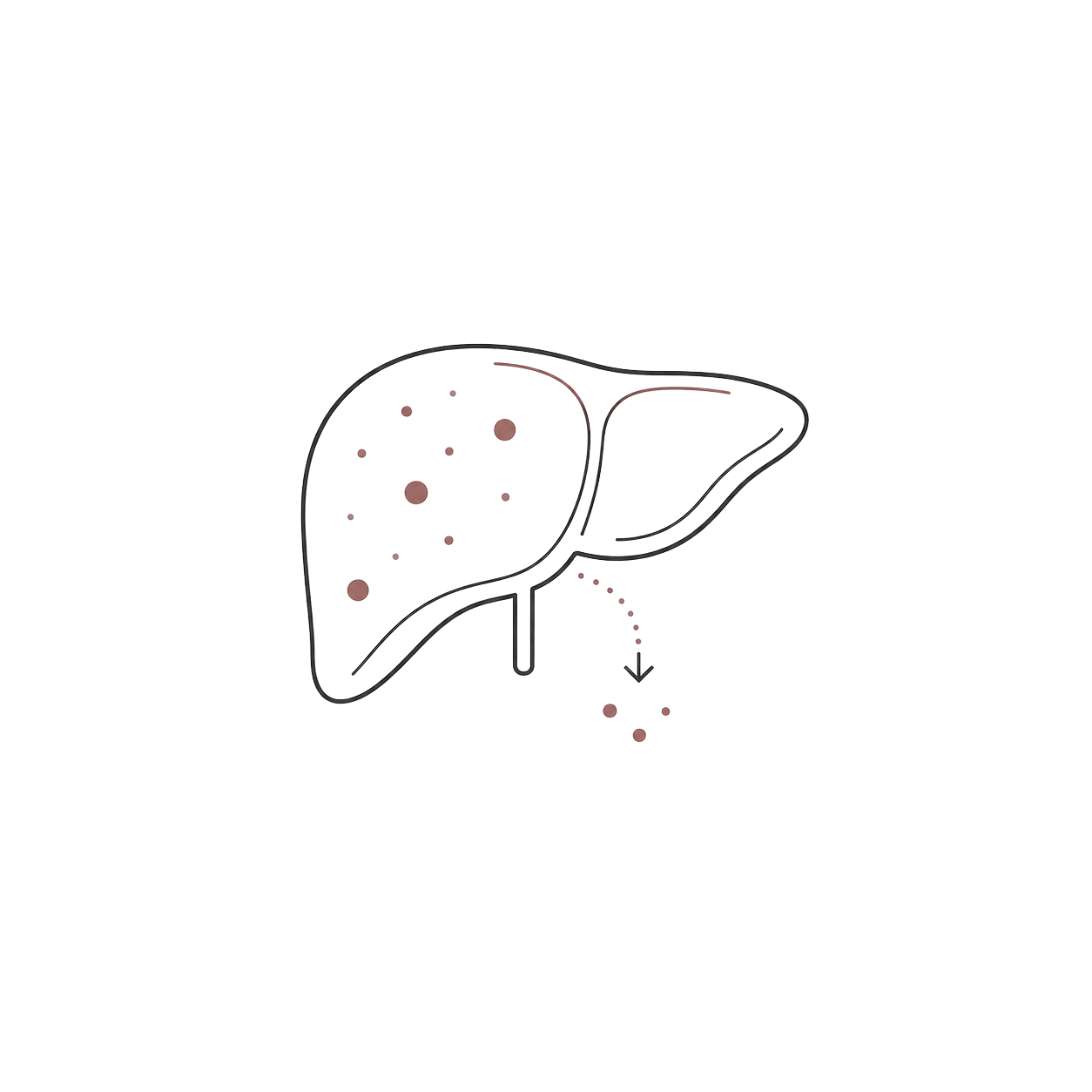
Toxic load describes the burden created when environmental exposures, metabolic byproducts, or inflammatory waste exceed the body’s ability to process and eliminate them efficiently. When detoxification capacity is reduced, this can increase inflammation, oxidative stress, and system sensitivity.
Toxic load / impaired detoxification
Toxic load describes the burden created when environmental exposures, metabolic byproducts, or inflammatory waste exceed the body’s ability to process and eliminate them efficiently. When detoxification capacity is reduced, this can increase inflammation, oxidative stress, and system sensitivity.
Chronic stress, gut imbalance, undernourishment, and ongoing inflammation can reduce the body’s ability to process and eliminate internal and external burdens. From a medical perspective, detoxification is not a single process, but a coordinated network involving the liver, gut, kidneys, lymphatic system, bile flow, antioxidant systems, and cellular repair mechanisms. When these systems are under-resourced or overloaded, the body may struggle to neutralize and clear metabolic byproducts, environmental chemicals, microbial toxins, inflammatory mediators, and oxidative waste.
In everyday life, toxic load is rarely experienced as one clear exposure or one isolated reaction. It may appear as reduced tolerance to foods, smells, supplements, medication, alcohol, mold, chemicals, or environmental changes. The system may become more reactive because elimination pathways require energy, nutrients, glutathione, methylation capacity, bile flow, and stable gut function. If these resources are limited, even relatively small exposures can feel disproportionately stressful.
As a result, impaired detoxification can act as both a burden and an amplifier within the broader chronic disease network. Accumulated inflammatory and metabolic stress can increase oxidative strain, worsen immune reactivity, disrupt mitochondrial function, and further irritate the nervous system. In this context, toxic load does not necessarily mean one dramatic poisoning event, but rather a reduced ability to keep up with the body’s total processing demand over time.

Neuroinflammation / neuroimmune dysregulation
Neuroinflammation describes a persistent inflammatory state that can affect how the body processes signals, regulates stress, and recovers. Over time, it may contribute to increasing sensitivity across immune, metabolic, and autonomic systems.
Neuroinflammation / neuroimmune dysregulation
Neuroinflammation describes a persistent inflammatory state that can affect how the body processes signals, regulates stress, and recovers. Over time, it may contribute to increasing sensitivity across immune, metabolic, and autonomic systems.
Chronic stress, gut imbalance, and undernourishment create a persistent pro-inflammatory environment in the body. From a medical perspective, this can contribute to dysregulation of the neuroimmune axis — an interconnected system linking the brain, immune signaling, and barrier functions. Neuroinflammation refers to the activation of immune processes within the central nervous system, including microglial and astrocyte activity, as well as the release of inflammatory mediators such as interleukin-6, tumor necrosis factor alpha, and C-reactive protein. These markers may be elevated and can indicate systemic inflammation, but they do not always fully capture localized or ongoing processes within the brain and nervous system.
In everyday life, this state is rarely perceived as “inflammation” itself, but rather as a shift in how the system functions. Cognitive clarity may decrease, processing becomes slower, and tolerance to sensory, emotional, or social input is reduced. At the same time, recovery feels less effective, and the body may remain in a state of internal activation despite rest. This reflects a broader dysregulation in how signals are processed, integrated, and resolved across the system, rather than a single isolated issue.
As a result, the body can enter a self-reinforcing loop in which inflammation, reduced recovery capacity, and impaired regulation continuously interact. This state not only reflects upstream imbalances but also contributes to further instability, increasing the likelihood of downstream dysfunctions such as autonomic dysregulation, mitochondrial impairment, and persistent immune activation. In this context, neuroinflammation acts as a central amplifier within the broader network of chronic disease processes.
Microcirculation / endothelial dysfunction
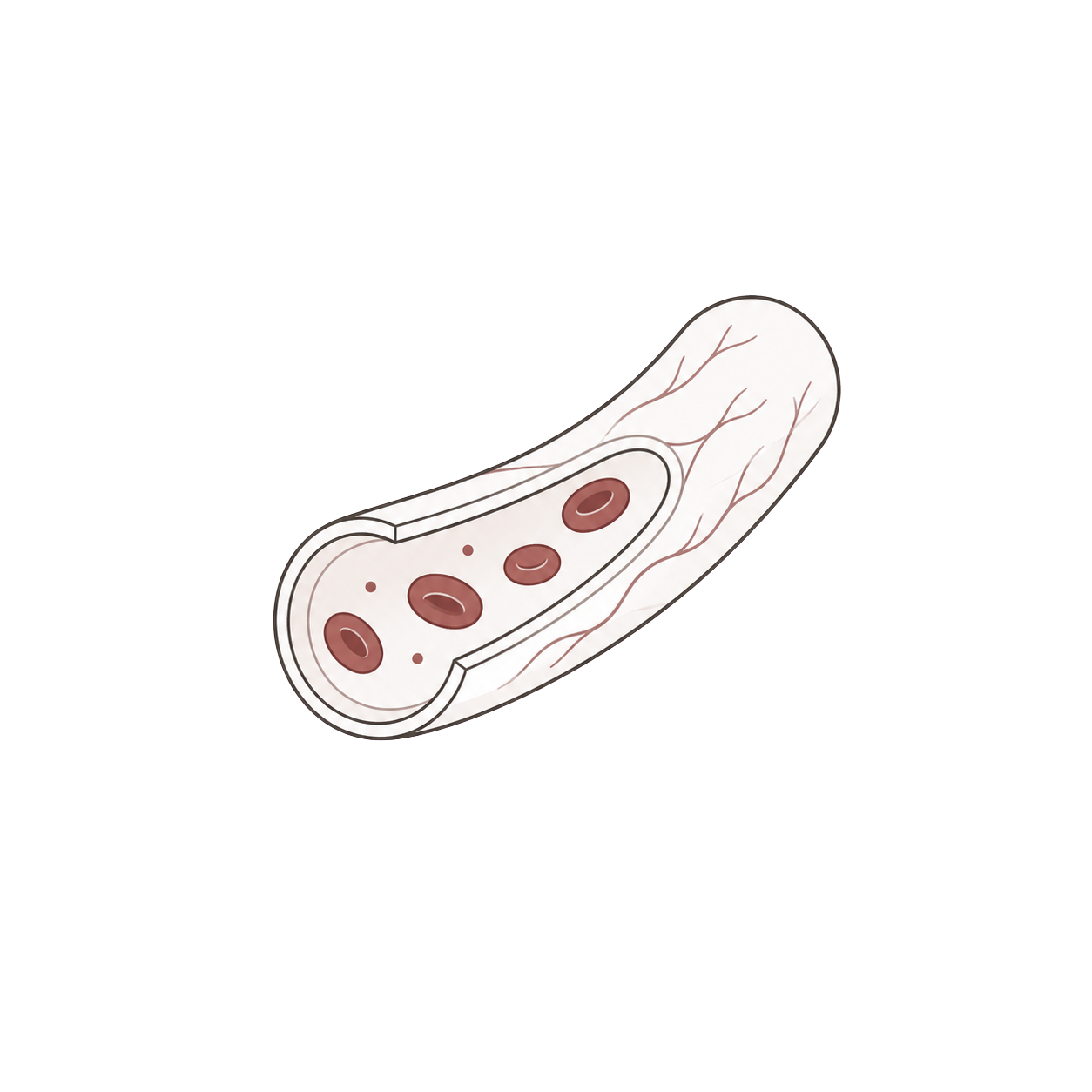
Microcirculation describes how well blood is distributed at the smallest vessel level. When this regulation is impaired, cells may receive less oxygen and nutrients, affecting overall energy, recovery, and system stability.
Microcirculation / endothelial dysfunction
Microcirculation describes how well blood is distributed at the smallest vessel level. When this regulation is impaired, cells may receive less oxygen and nutrients, affecting overall energy, recovery, and system stability.
Chronic stress, gut imbalance, undernourishment, and ongoing inflammatory processes can place sustained strain on the vascular system. From a medical perspective, endothelial dysfunction refers to an impairment of the inner lining of blood vessels, which plays a key role in regulating vascular tone, blood flow, and exchange processes at the cellular level. The endothelium is responsible for producing signaling molecules such as nitric oxide (NO), which enables proper vessel dilation. When this function is disrupted — often due to oxidative stress and inflammation — blood vessels lose their ability to regulate flow efficiently, particularly within the microcirculation, the network of the smallest vessels supplying tissues and organs. While systemic blood pressure may remain within normal ranges or fluctuate, it does not necessarily reflect how effectively blood is distributed at the microvascular level.
In everyday life, this dysfunction is not perceived as a direct vascular issue but rather through its downstream effects. Blood flow distribution becomes less efficient, meaning that oxygen and nutrients may not reach tissues consistently, while metabolic byproducts are cleared more slowly. This can contribute to symptoms such as heavy limbs, cold extremities, fluid retention, and reduced physical resilience. At the same time, the system may struggle to adapt to changes in posture, temperature, or activity, as fine-tuned vascular regulation is required for these adjustments — something that is not captured by standard blood pressure readings alone.
As a result, impaired microcirculation limits the effective delivery of oxygen and nutrients at the cellular level while also slowing recovery processes. This not only reinforces existing imbalances but also contributes to further dysfunctions, including mitochondrial impairment, autonomic instability, and persistent fatigue. In this context, endothelial dysfunction acts as a key link between systemic inflammation and reduced cellular performance within the broader network of chronic disease processes.
Mitochondrial & metabolic dysfunction
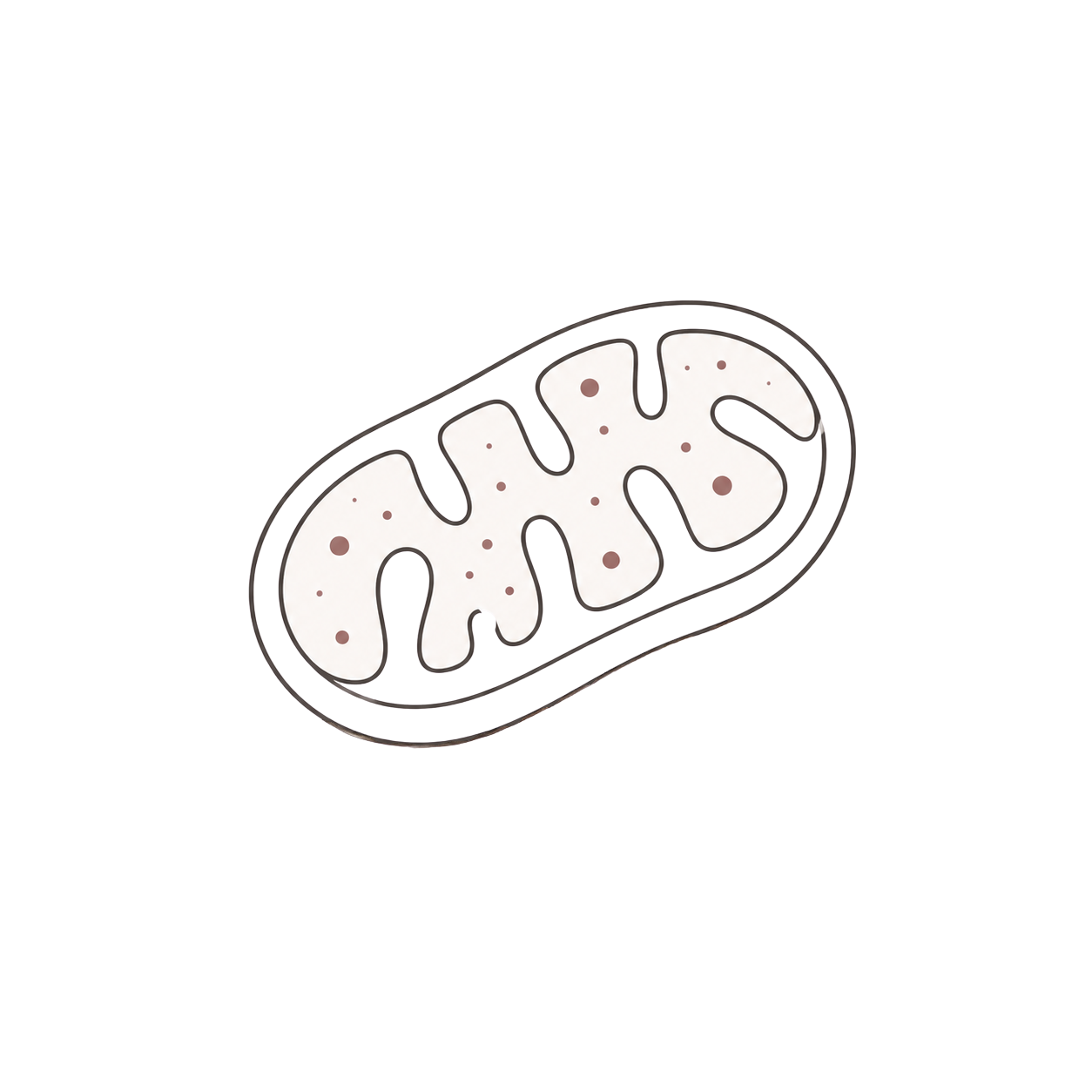
Mitochondrial and metabolic function determine how efficiently the body produces and uses energy. When this system is impaired, energy becomes less stable, reducing resilience and the ability to adapt and recover.
Mitochondrial & metabolic dysfunction
Mitochondrial and metabolic function determine how efficiently the body produces and uses energy. When this system is impaired, energy becomes less stable, reducing resilience and the ability to adapt and recover.
Chronic stress, gut imbalance, undernourishment, ongoing inflammation, and impaired microcirculation can place sustained pressure on cellular energy systems. From a medical perspective, mitochondria are responsible for producing ATP, the body’s primary energy source, through processes such as oxidative phosphorylation. Metabolic function refers to how efficiently the body generates and utilizes energy from different substrates, primarily glucose and fatty acids. Under conditions of prolonged stress and inflammation, mitochondrial efficiency can decline due to oxidative stress, impaired enzyme function, and limited availability of key cofactors. At the same time, the body may lose metabolic flexibility — the ability to switch efficiently between fuel sources depending on demand.
In everyday life, this dysfunction is rarely perceived as a purely “cellular” issue but rather through a reduced and unstable energy supply. Activities that were previously well tolerated may suddenly feel disproportionately demanding, and recovery becomes less predictable. The system may rely more heavily on quick energy sources such as glucose, while the ability to sustain longer, stable energy production is reduced. This can contribute to fluctuating energy levels, muscle fatigue, and a general sense of reduced physical and cognitive capacity, especially under conditions that require adaptation.
As a result, the body operates with a limited and less adaptable energy supply. This not only reduces overall resilience but also makes the system more vulnerable to further stressors, as sufficient energy is required for regulation, repair, and immune function. In this context, mitochondrial and metabolic dysfunction act as central limiting factors, reinforcing downstream instability across autonomic, immune, and recovery processes within the broader network of chronic disease mechanisms.


Dysautonomia / POTS
Dysautonomia describes an autonomic nervous system that has difficulty regulating functions such as heart rate, blood pressure, and breathing. Fluctuating stress hormones can disrupt sleep, energy, and circulation, making even simple daily activities feel disproportionately demanding.
Dysautonomia / POTS
Dysautonomia describes an autonomic nervous system that has difficulty regulating functions such as heart rate, blood pressure, and breathing. Fluctuating stress hormones can disrupt sleep, energy, and circulation, making even simple daily activities feel disproportionately demanding.
Chronic stress, inflammation, impaired microcirculation, mitochondrial dysfunction, and viral persistence can collectively disrupt the regulation of the autonomic nervous system. From a medical perspective, dysautonomia refers to an imbalance between the sympathetic “activation” and parasympathetic “recovery” branches, affecting heart rate, blood pressure, vascular tone, and overall system regulation. One common presentation is Postural Orthostatic Tachycardia Syndrome, characterized by an excessive increase in heart rate upon standing without a corresponding drop in blood pressure. This dysregulation often reflects impaired vascular control, altered baroreceptor sensitivity, and a reduced ability to switch efficiently between activation and recovery states.
In everyday life, this dysfunction is often experienced as a constant instability between opposing states. The body may remain in a state of sympathetic overactivation, with elevated stress hormones such as adrenaline and noradrenaline being released to maintain circulation and basic function. This can create a persistent internal tension, making it difficult to relax or sleep, even when physically exhausted. At night, this elevated activation can prevent proper downregulation, leading to fragmented or non-restorative sleep. At the same time, phases of insufficient activation can occur, where the system lacks the capacity to respond adequately. In these moments, even simple activities — such as standing, walking, or holding a conversation — can feel disproportionately exhausting, as the body struggles to generate enough cardiovascular and metabolic support.
As a result, everyday functioning can become significantly more demanding, as the system continuously compensates to maintain basic stability. This ongoing effort reduces available energy for recovery and increases overall system sensitivity. In this context, dysautonomia and POTS represent a functional expression of upstream dysregulation, linking vascular, metabolic, and immune mechanisms to the lived experience of instability, fatigue, and reduced resilience.
ME/CFS & PEM
ME/CFS is a complex condition where the body loses its ability to produce and recover energy reliably. Even minor exertion can lead to a delayed worsening of symptoms, significantly impacting daily functioning.
ME/CFS & PEM
ME/CFS is a complex condition where the body loses its ability to produce and recover energy reliably. Even minor exertion can lead to a delayed worsening of symptoms, significantly impacting daily functioning.
Chronic stress, gut imbalance, undernourishment, neuroinflammation, mitochondrial dysfunction, impaired microcirculation, and viral persistence can collectively contribute to a state in which the body’s capacity for energy production and recovery is fundamentally impaired. From a medical perspective, Myalgic Encephalomyelitis/Chronic Fatigue Syndrome is a complex, multi-system condition characterized by severe fatigue, post-exertional malaise, and dysfunction across neurological, immune, and metabolic systems. Post-exertional malaise refers to a disproportionate worsening of symptoms following physical, cognitive, or emotional exertion, often with a delayed onset. While dysautonomia and POTS frequently co-occur and can significantly intensify symptoms, ME/CFS can also exist independently, reflecting overlapping but distinct mechanisms.
In everyday life, ME/CFS is not experienced as simple “tiredness,” but as a fundamental limitation in the body’s ability to produce and sustain energy. Activities that were previously manageable — such as walking, concentrating, or social interaction — can lead to a delayed and prolonged worsening of symptoms. This may include profound exhaustion, muscle weakness, cognitive impairment, and increased sensitivity to stimuli. In more severe cases, this progression can lead to a significant loss of independence, with some individuals becoming housebound or even bedbound for extended periods. A key challenge is that repeated overexertion can worsen the overall baseline over time, making the condition appear progressively more limiting if not managed carefully.
As a result, the system operates with a severely reduced and unstable energy capacity, where exertion and recovery are no longer balanced. Clinically, ME/CFS is often classified as a chronic condition without a definitive cure. At the same time, there are documented cases of partial and even full recovery, indicating that the trajectory is not uniform. In this context, ME/CFS represents a central convergence point within the broader network of chronic disease processes, where multiple upstream imbalances manifest as a persistent and self-reinforcing loss of functional capacity.
Systemic inflammation / chronic low-grade inflammation
Systemic inflammation describes a persistent, body-wide immune activation that may remain subtle but still affect metabolism, circulation, recovery, and nervous system stability. Over time, low-grade inflammation can reduce resilience and amplify other chronic disease mechanisms.
Systemic inflammation / chronic low-grade inflammation
Systemic inflammation describes a persistent, body-wide immune activation that may remain subtle but still affect metabolism, circulation, recovery, and nervous system stability. Over time, low-grade inflammation can reduce resilience and amplify other chronic disease mechanisms.
Systemic inflammation can occur as an independent chronic pattern, but it is also frequently seen alongside post-viral illness, metabolic dysfunction, gut barrier disruption, mast cell reactivity, and prolonged physiological stress. From a medical perspective, chronic low-grade inflammation refers to ongoing immune activation across the body, involving inflammatory mediators such as cytokines, acute-phase signaling, oxidative stress, endothelial activation, and altered cellular repair processes. Unlike acute inflammation, which is usually localized and time-limited, systemic low-grade inflammation can remain diffuse, persistent, and difficult to identify through standard testing alone.
In everyday life, systemic inflammation is often not experienced as “inflammation” in a clear or localized way. Instead, it may appear as reduced stress tolerance, slower recovery, flu-like feelings, diffuse aches, heaviness, temperature sensitivity, food reactivity, or a general sense that the body is no longer able to return fully to baseline. The system may become more reactive because inflammatory signaling affects vascular function, immune regulation, energy metabolism, connective tissue, and nervous system communication at the same time.
As a result, systemic inflammation can significantly reduce overall resilience and increase vulnerability across multiple body systems. It can worsen microcirculation, increase oxidative strain on mitochondria, contribute to neuroimmune dysregulation, and lower the threshold for autonomic instability and post-exertional crashes. In this context, systemic inflammation is distinct from MCAS, but can interact with it: MCAS describes mast-cell-specific reactivity, while systemic inflammation describes the broader inflammatory environment in which immune, vascular, metabolic, and nervous system dysfunctions can reinforce each other.

MCAS / mast cell reactivity
MCAS describes an overreactive immune response in which mast cells release inflammatory mediators too easily. This can increase sensitivity to a wide range of triggers and affect multiple systems throughout the body.
MCAS / mast cell reactivity
MCAS describes an overreactive immune response in which mast cells release inflammatory mediators too easily. This can increase sensitivity to a wide range of triggers and affect multiple systems throughout the body.
MCAS is a condition that can occur independently, but is frequently seen alongside other chronic and post-viral conditions. From a medical perspective, mast cells are immune cells involved in allergic and inflammatory responses, releasing mediators such as histamine, cytokines, and prostaglandins. In MCAS, these cells become dysregulated and overly reactive, releasing these substances in response to triggers that would normally be well tolerated. This can affect multiple systems in the body, including the skin, gastrointestinal tract, cardiovascular system, and nervous system.
In everyday life, MCAS is often experienced as a pattern of unpredictable reactions rather than a single, consistent symptom. Triggers can include certain foods, temperature changes, stress, environmental factors, or even internal states. Reactions may present as skin flushing, itching, swelling, digestive issues, headaches, or a sense of internal agitation. These responses can vary in intensity and may change over time, making it difficult to identify clear cause-and-effect relationships. As a result, individuals may develop increasing sensitivity to a wide range of stimuli.
As a result, MCAS can significantly increase overall system reactivity and reduce tolerance to both internal and external stressors. It not only acts as an independent condition but can also amplify existing imbalances by promoting inflammation and immune activation. In this context, MCAS represents an additional layer of complexity within the broader network of chronic disease processes, further influencing stability, resilience, and recovery capacity.